-
April 17, 2026
-
9 min read

[BLOG UPDATE] Sadly, Bhanu passed away in April 2026 from age-related issues. He will be greatly missed.
In memory of Bhanu, a much-loved resident of ZSL’s Land of the Lions from 2016–2026.
Bhanu arrived at London Zoo in 2016 and quickly became a firm favourite with both visitors and keepers alike. Throughout his decade in the Land of the Lions, he fathered three cubs, Shanti, Syanii and Mali, whom he lived alongside with their mother, Arya. Bhanu’s presence and character left a lasting impression, and he will be deeply missed by his dedicated keepers, the wider London Zoo team, and the many visitors who came to know him over the years.
London Zoo: Bhanu the Lion Undergoes Anaesthesia with Burtons Bespoke System
We always welcome the chance to see Burtons equipment in action, especially when it demonstrates its positive impact on patient care and enhances the efficiency of procedures. And what better place to witness this than at The Land of the Lions exhibit at ZSL’s London Zoo in January 2025?
A bespoke anaesthesia system built for zoo life
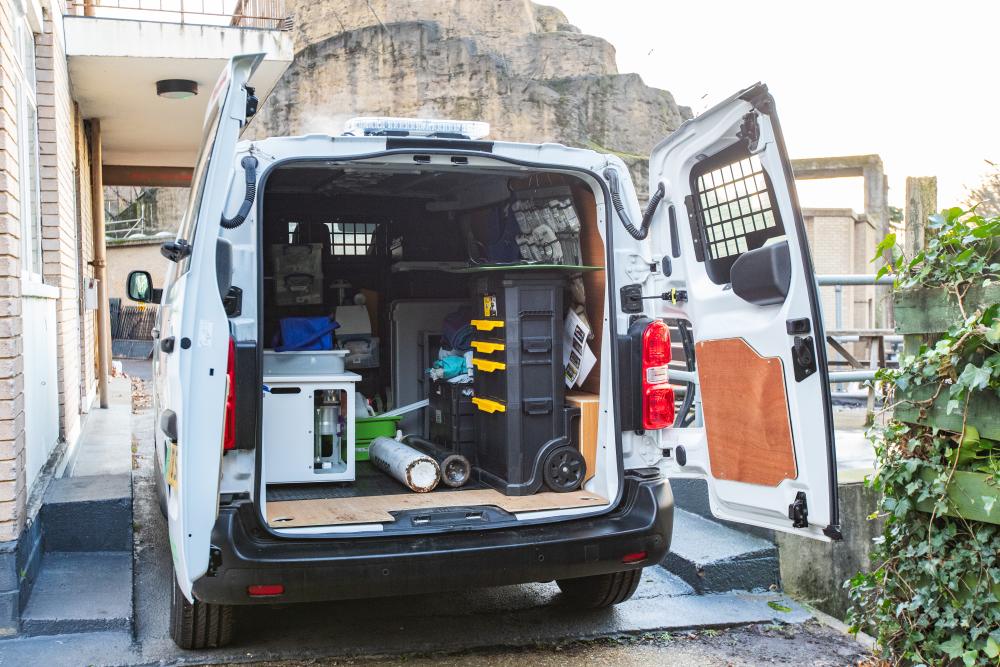
On a crisp, sunny January day, I had the incredible opportunity, alongside our very own Kieran Bennett, to witness a new and exciting bespoke anaesthesia system we created for ZSL’s Wildlife Health Services team in action. Designed specifically for London and Whipsnade Zoos by Burtons Veterinary Equipment, this advanced anaesthesia unit was used to treat Bhanu, the Asiatic lion, during a procedure for chronic ear canal stenosis. ZSL (Zoological Society of London) is a global, science-led conservation organisation dedicated to helping people and wildlife thrive together. On 29th April 2026, ZSL will mark an incredible milestone, celebrating two hundred years of pioneering conservation work.
At the heart of these pioneering efforts is the Asiatic lion conservation programme, which aims to bring this endangered species back from the edge of extinction. Fewer than 1000 Asiatic lions remain in the wild, and they are found in just a single area, the Gir Forest in Gujarat, India, which makes them especially vulnerable to a disease outbreak or natural disaster.
Their custom-designed habitat at London Zoo, ‘The Land of the Lions’, sponsored by Liontrust, was created to replicate the Gir National Park. As part of an international breeding initiative, London Zoo safeguards a crucial ‘backup’ population of these big cats, ensuring their survival for future generations, and we were privileged to witness the remarkable work taking place behind the scenes.
Meet Bhanu, the Asiatic Lion with a unique challenge
Asiatic lions have remarkable hearing, among the most acute in the animal kingdom. Their rounded ears, approximately three inches long, channel sound down the ear canal, which is lined with stiff hairs that usually protect their eardrum from dust and debris. Similar to the domestic cat, the lion’s middle ear contains three tiny bones called the malleus, incus, and stapes. These three bones work together to amplify sound, enabling lions to detect even the faintest noises. With this remarkable auditory range, lions can hear frequencies as high as 65,000 Hz.
For Bhanu, however, this natural advantage is hindered by ear canal stenosis – an abnormally narrow ear canal that traps debris and bacteria, leading to recurrent discomfort. Diagnosed as a young cub, Bhanu now undergoes annual check-ups to manage the condition.
We observed the veterinary team at London Zoo perform an ear flush procedure on Bhanu after transforming his den into an operating room. To carry out this delicate procedure safely and effectively, the team needed to gather key equipment from the Zoo’s veterinary hospital clinical rooms and transport it to a section of the lions’ off-show den, which was used to separate Bhanu from the pride for his procedure. It was fantastic to see familiar Burtons veterinary equipment being used day to day in the veterinary hospital. This included a Burtons Lo-Lift table and a Burtons Solitaire anaesthesia machine.
Then, from around the corner, emerged the brand-new bespoke portable anaesthesia machine. Tailor-made by Burtons Clinical Director, Keith Simpson, this state-of-the-art unit was explicitly designed to meet the needs of ZSL’s two conservation zoos, London and Whipsnade, ensuring optimal mobile care for their patients, and in this case, Bhanu the lion. With such a delicate and intricate procedure ahead for a well-loved zoo resident, the veterinary team at ZSL relied on specialist equipment to ensure everything was carried out safely and effectively.
From brief to build

Keith has a well-established working relationship with ZSL. In 2023, when the charity approached him about developing a portable anaesthesia machine, he was eager to get involved in creating a solution. With a generous donation from the Denise Coates Foundation, ZSL partnered with Burtons to bring the concept to life. The project brief was clear: design a compact, easy-to-set-up, bespoke anaesthesia machine that incorporated a built-in CycloFlo with a flowmeter, a 3m hose, and a bullnose Schrader regulator, all while offering various storage solutions. It was imperative that the unit be robust enough to withstand outdoor conditions and purpose-built to fit within the ZSL vehicles used at both at London and Whipsnade zoos.
After 10 months in design, development and testing, the result was a unique, robust, aluminium powder-coated anaesthetic unit that completely folded into a portable carry box, making it ideal for use in the field. Once the components required for the portable anaesthesia machine became clear, the initial brief expanded, leading to the creation of three units to meet demand across both zoo sites. Aside from Bhanu, the machines have also been used at Whipsnade for an African wild dog and the okapi - a horse-sized cousin of the giraffe -as well as an off-site camel.
Dr Strike said, “We’ve always used Burtons for our equipment, and knowing that Keith was now part of the Burtons team was a big draw for this project. I have known Keith for what feels like forever, and he is amazing. It played a pivotal role in why we chose to work with Burtons, knowing that Keith was on board and part of the team behind developing the solution alongside us.”
The procedure begins

At 09:12 AM, the procedure for Bhanu began with the administration of the first part of the anaesthesia, allowing the team to safely approach him and intubate him using the new machine.
Historically, these anaesthesia induction agents were administered via a dart. We learned that to prevent additional stress or discomfort that can ensue from darting, Bhanu had been expertly trained by the vet nurses alongside keepers to present his hindquarters, ready for an intramuscular injection of the anaesthetic starter.
This approach meant that Bhanu was prepared and calm, reducing the risk of injury. After the medication had taken effect, the equipment, including trolleys, extensions, and mobile endoscopy units, as well as our portable anaesthesia unit, was moved next to the den, ready for the procedure.
At 09:36 AM, Amy McKillop, the lead zookeeper, and Dr Strike evaluated Bhanu’s depth of anaesthesia to ensure he was deeply enough asleep to be safely approached by the team. His well-being and a safe procedure were the team’s top priority.
Once fully asleep, it required seven zookeepers and RVNs to carefully lift all 28 stone (180kg) of Bhanu and guide him through into a larger area of the den. There, he was placed on an elevated stack of hay bales, with additional straw brought in to provide comfort for all involved. Once in position, he was then intubated by the senior veterinary resident who has been training for three years with ZSL to become a zoo veterinary specialist, using a whopping size 18 endotracheal tube. This was then attached to the new Burton’s machine, which delivered oxygen and gaseous anaesthesia.
Monitoring and care during the procedure

George Bardsley, one of ZSL’s six RVNs, began by carefully checking Bhanu’s blood pressure using a cuff on his tail, and core vital signs to ensure both Bhanu and the team's safety. The tail is a distal (far from the heart) body part, so it is useful for assessing peripheral circulation. This can help identify signs of hypotension and can be used to monitor reflex responses.
Blankets now surrounded and covered Bhanu to help keep him warm, while preparations began for his stenotic ear canal check-up. Vital sign readings were taken using a vet cuff and a PetMap Pro, which included a range of add-ons, making it function as effectively as a larger multiparameter monitor. Heart rate, blood pressure, and ECG were tracked, traced, and documented.
George oversaw the administration of IV fluids, ensuring a steady supply through an anti-kink gravity-fed IV line with multiple sampling points. This was also an opportune moment to collect blood samples for further testing and to keep an eye on Bhanu’s overall health. At this moment, the sheer scale of the equipment required for the procedure became abundantly apparent.
From finely tuned monitoring equipment to high-specification diagnostic, ventilation, and endoscopy kits, every piece of equipment was carefully arranged around Bhanu. The portable nature of all this specialised equipment was essential, enabling the team to work efficiently within the space of the enclosure while ensuring robust and reliable support throughout the procedure.
The ear inspection and flush

The primary focus of Bhanu’s check-up was the in-depth ear inspection and flush, with samples taken from his problematic left ear. Given his history of chronic ear canal stenosis, Bhanu requires ongoing medical management, with annual check-ups forming a critical part of his long-term care plan.
This condition was first identified during a CT scan on the big cat, which revealed an unusually narrow left ear canal. Waxy debris that should naturally self-cleanse from his affected ear tends to build up due to the anatomical changes there, and this becomes an ideal site for fungal or bacterial growth, especially in moist, warmer weather. His right ear is also always reviewed during his health checks and maintains a normal and healthy appearance.
Key equipment included an otoscope and both rigid and flexible endoscopes used to insert into Bhanu’s ear. Both scopes were ideal for navigating the narrow passageway, which bends sharply at a 90-degree angle. Because of the stenosis, an operating channel could not be used, meaning no foreign body removal instruments, such as grabbers or retrieval tools, were required. Instead, the focus was on first taking samples to check for yeast or bacterial infections, then clearing the passageway by repeatedly flushing and suctioning to allow medication to reach the narrowest part of the canal after thorough cleaning. The entire sampling, cleaning, and direct medication administration process was completed in just 30 minutes.
Recovery and reflections
By 11:00 AM, the procedure was completed, and all the equipment was swiftly disassembled and packed away, including tail cuffs, monitors, and all ancillary tools, and additional straw was spread around. Once everyone was safely out of his den, the gaseous anaesthesia was stopped, and our portable anaesthesia unit was finally whisked out too. Dr Strike then administered the anaesthetic reversal injection to Bhanu and removed his endotracheal tube before also quickly stepping out of the proverbial lion’s den!
Under Dr Strike’s watchful eye, Bhanu was carefully monitored throughout his recovery. The first signs of his regaining consciousness included blinking and independent swallowing. After approximately 20 minutes of close observation, Bhanu was back on his feet and on the road to recovery. Seeing Burtons specialised equipment play such a crucial role in ensuring Bhanu’s safety, comfort, and well-being was remarkable.
The collaboration between ZSL and Burtons highlights the crucial role that cutting-edge, bespoke technology plays in advancing animal care and conservation efforts. Drawing on his decades of experience, Keith (Burtons Veterinary Equipment Clinical Director) has developed a tailored anaesthesia solution that makes pioneering procedures like this one possible.
This not only ensures the safety and well-being of animals like Bhanu but also strengthens ZSL’s broader mission to protect endangered species by delivering solutions tailored to the unique demands of both zoo settings and fieldwork. Projects like this make a tangible difference in safeguarding vulnerable species for the future.
Experiencing this firsthand and seeing its impact has been truly inspiring for us all – an experience we will always remember. We are proud to have innovative clinical specialists whose extensive expertise, particularly in areas like anaesthesia, continues to make a remarkable difference.
Interested in learning more about our bespoke design services to meet your unique veterinary equipment requirements? To find out more about the custom equipment and design services Burtons offer, why not reach out to one of your local equipment experts for a chat? They are here to help you every step of the way. Visit our website or give our experts a call today by calling 01622 834 300 or fill in our online contact form.

Share on Facebook

Share on X

Share on Pinterest

Share on LinkedIn
Related Products
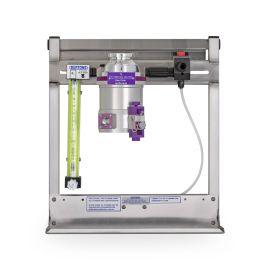
Burtons Wall Mounted Anaesthesia Machine Bundle
Regular Price
€3,142.37
Now
Discounted Price
€2,969.16
€2,413.95
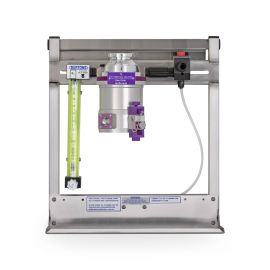
Burtons Wall Mounted Anaesthesia Machine
From €1,059.34 €861.25 Regular Price €1,226.01

Additional Bracket for Wall Mounted Machine
€52.74
€42.88
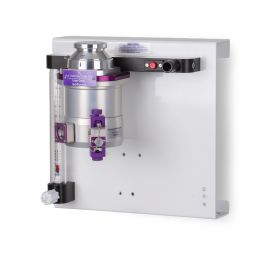
Wall Mounted O² Solitaire Anaesthesia Machine
From €664.68 €540.39
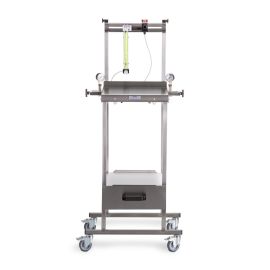
Burtons Vetanette Anaesthesia Machine
From €2,719.12 €2,210.67 Regular Price €3,343.64
Need Some Advice?
Our team are on hand
Mon–Fri, 8.30am–5.00pm
Talk to us on our live chat
Or call/Whatsapp us on
Working late?
Popular Posts